Not Sure Which Program Is Right for You?
Our admissions team is available 24/7 to answer your questions, discuss your situation, and help you determine the best treatment path. Every call is free and confidential.
(201) 361-5733Evidence-based treatment programs tailored to every stage of recovery -- from medical detox to long-term outpatient care at our Passaic, New Jersey facility.
NLSA Helpline offers a full continuum of care at our treatment center in Passaic, NJ. Each program is designed to meet you exactly where you are in your recovery journey, with personalized treatment plans built around your unique needs.
Safe, medically supervised detoxification with 24/7 monitoring. Our clinical team manages withdrawal symptoms so you can begin recovery safely.
3-7 Days Learn MoreImmersive, around-the-clock residential care in a structured therapeutic environment. Live on our campus while focusing entirely on your recovery.
30-90 Days Learn MoreFlexible treatment options -- PHP, IOP, and standard outpatient -- that allow you to receive high-quality care while maintaining work, school, or family responsibilities.
2-12 Weeks Learn MoreIntegrated treatment for co-occurring addiction and mental health disorders. Our psychiatric team addresses both conditions simultaneously for lasting recovery.
Ongoing Learn MoreRecovery is a journey, not a single event. Our treatment center in Passaic, NJ provides a seamless continuum of care, guiding you from the first step of detox through to independent, sustained sobriety.
3-7 days of medically supervised withdrawal management
30-90 days of immersive inpatient treatment
PHP, IOP, or standard outpatient as a step-down
Alumni support, relapse prevention, and ongoing recovery resources
Not everyone begins at Step 1. Our admissions team will assess your situation and recommend the appropriate level of care. Some patients enter directly into residential or outpatient treatment based on their clinical needs.
Medical detox is the first step in addiction treatment. It is the medically supervised process of safely removing addictive substances from your body while managing withdrawal symptoms. At our treatment center in Passaic, NJ, our clinical team provides round-the-clock medical monitoring to keep you safe and as comfortable as possible.
Detox is not a standalone treatment for addiction -- it is the foundation that prepares your body and mind for the therapeutic work ahead. Attempting to detox without medical supervision can be dangerous and, in some cases, life-threatening.
24/7 Medical Supervision: Board-certified physicians, registered nurses, and trained technicians monitor your vitals, manage symptoms, and administer medications around the clock throughout the detox process.
When clinically appropriate, our medical team uses FDA-approved medications such as buprenorphine, naltrexone, and other evidence-based medications to reduce cravings, ease withdrawal symptoms, and support long-term recovery. MAT is integrated into a broader treatment plan that includes therapy and counseling.

Upon arrival at our facility, our medical team conducts a thorough physical and psychological evaluation. This includes medical history review, toxicology screening, vital signs assessment, and a mental health evaluation to create a personalized detox plan.
Our physicians manage your withdrawal symptoms with appropriate medications and medical interventions. You are monitored continuously with regular vitals checks, comfort assessments, and medication adjustments as needed throughout the process.
As withdrawal symptoms subside and you are medically stable, our clinical team works with you to transition seamlessly into the next phase of treatment -- typically residential or outpatient care -- so your recovery continues without interruption.
Our medical detox program at NLSA Helpline is equipped to safely manage withdrawal from a wide range of addictive substances:
Residential treatment (also called inpatient rehab) is a structured, live-in program where you reside at our treatment center full-time while receiving intensive therapeutic care. At NLSA Helpline in Passaic, NJ, our residential program removes you from the environments and triggers that fuel addiction, giving you the space to focus entirely on healing.
Clients participate in a structured daily schedule of individual therapy, group counseling, educational workshops, holistic activities, and life skills training. Our multidisciplinary team -- including licensed therapists, counselors, physicians, and support staff -- works together to address the root causes of addiction.
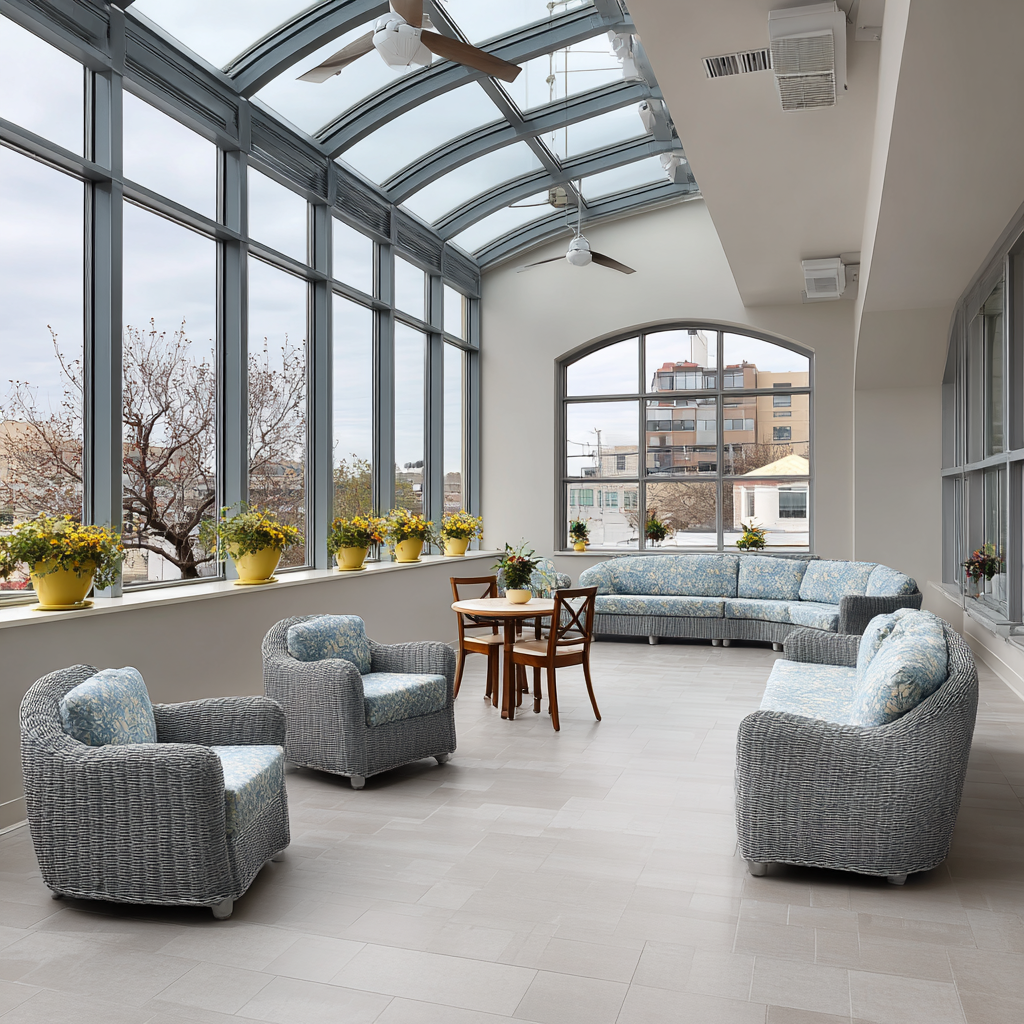
Every day at our residential facility follows a structured routine designed to build healthy habits and maximize therapeutic benefit:
Our outpatient programs provide intensive, evidence-based addiction treatment while allowing you to live at home and maintain your daily responsibilities. At NLSA Helpline in Passaic, NJ, we offer three levels of outpatient care, each designed as a step-down from more intensive treatment or as a primary treatment option for individuals whose clinical needs are best met in an outpatient setting.
PHP is the most intensive form of outpatient treatment. You attend our treatment center for approximately 6 or more hours per day, 5 to 6 days per week. PHP provides nearly the same level of therapeutic intensity as residential treatment, but you return home each evening.
IOP provides structured treatment sessions during the day or evening, allowing you to continue working, attending school, or caring for your family. Sessions typically occur 3 to 5 days per week for 3 to 4 hours each session.
Standard outpatient care is the least intensive level, designed for individuals in the later stages of recovery who still benefit from regular therapeutic support. Sessions typically occur 1 to 2 times per week and focus on maintaining sobriety, preventing relapse, and reinforcing the skills learned in earlier phases of treatment.
| Feature | PHP | IOP | Standard OP |
|---|---|---|---|
| Duration | 2-4 weeks | 8-12 weeks | Ongoing |
| Days per Week | 5-6 days | 3-5 days | 1-2 days |
| Hours per Day | 6+ hours | 3-4 hours | 1-2 hours |
| Intensity Level | High | Moderate | Low |
| Individual Therapy | Multiple per week | Weekly | Bi-weekly or monthly |
| Group Therapy | Daily | 3-5x per week | 1-2x per week |
| Medication Management | Yes | Yes | As needed |
| Best For | Step-down from residential; high clinical need | Transitional care; work/school balance | Maintenance and relapse prevention |
Step-Down Care Model: Most clients at NLSA Helpline progress through multiple levels of outpatient care as they build confidence and independence. For example, you may begin with PHP after completing residential treatment, then step down to IOP, and eventually transition to standard outpatient care before entering our alumni program. Each transition is guided by your treatment team based on your progress and clinical needs.
Dual diagnosis (also called co-occurring disorders) refers to the presence of both a substance use disorder and a mental health disorder at the same time. According to the Substance Abuse and Mental Health Services Administration (SAMHSA), approximately 9.2 million adults in the United States experience co-occurring disorders. Treating only the addiction without addressing the underlying mental health condition -- or vice versa -- significantly increases the risk of relapse.
At our treatment center in Passaic, NJ, NLSA Helpline uses an integrated treatment approach. This means our clinical team treats both conditions simultaneously, rather than sequentially. Our psychiatrists, therapists, and counselors collaborate on unified treatment plans that address the complex relationship between addiction and mental health.

Major depressive disorder, persistent depressive disorder, and substance-induced depression are closely linked to addiction. We use CBT, medication, and holistic therapies to treat both conditions.
Generalized anxiety, social anxiety, and panic disorders frequently co-occur with substance abuse. Our therapists use exposure therapy, DBT skills, and relaxation techniques alongside addiction treatment.
Post-traumatic stress disorder and complex trauma are among the most common co-occurring conditions with addiction. We offer EMDR, trauma-focused CBT, and somatic experiencing therapies.
Bipolar I and II disorders require careful medication management alongside addiction treatment. Our psychiatrists specialize in stabilizing mood while supporting sustained sobriety.
Psychiatric Care at NLSA Helpline: Our on-site psychiatric team is available throughout your treatment at our Passaic, NJ facility. Whether you are in detox, residential, or outpatient care, psychiatric support and medication management are integrated into your personalized treatment plan at no additional cost.
Our admissions team is available 24/7 to answer your questions, discuss your situation, and help you determine the best treatment path. Every call is free and confidential.
(201) 361-5733